
Construction
The importance of fuel delivery ifor construction sites and heavy equipment operations.
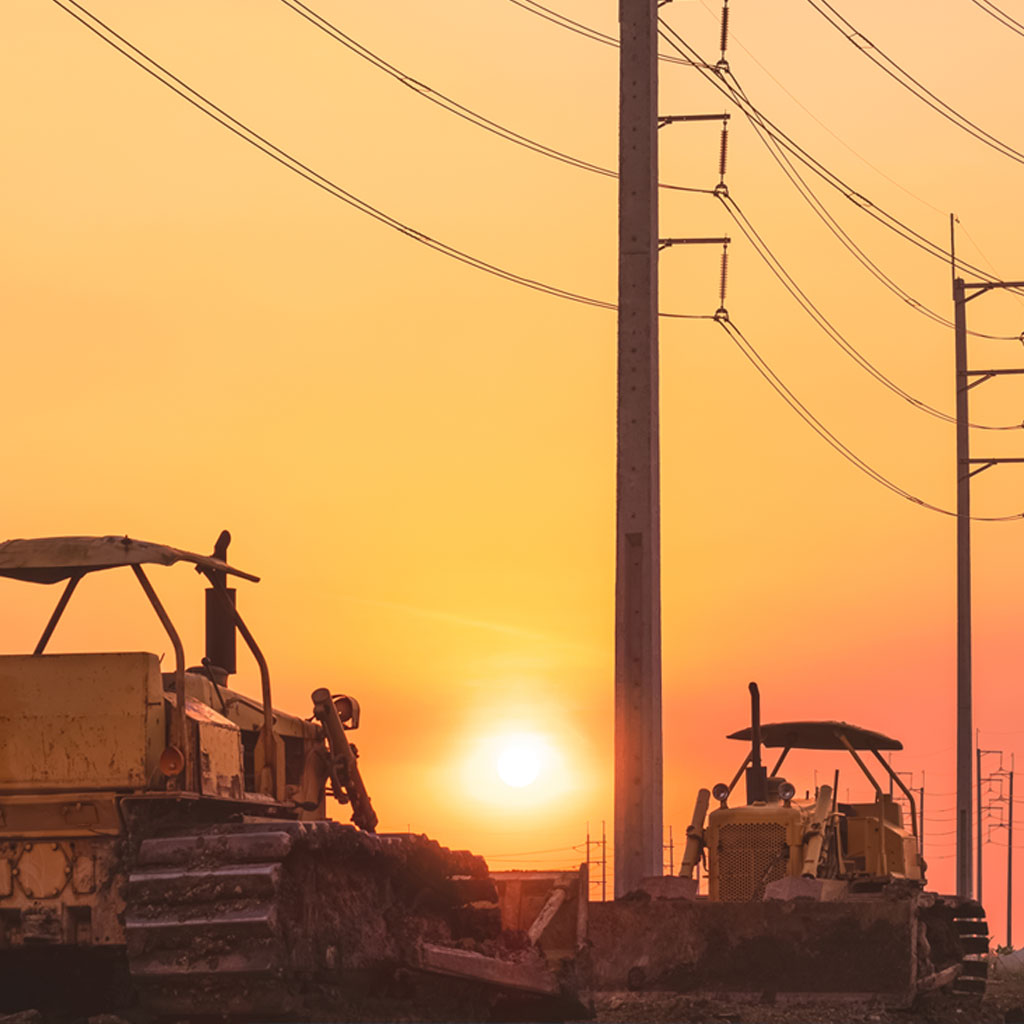
On-site fuel delivery is essential for construction sites and heavy equipment operations because it eliminates the massive logistical challenges of moving non-road-legal machinery and keeps projects on tight deadlines by removing “fueling detours.”
The primary reasons for its importance include:
- Eliminating Downtime for Heavy Machinery
Many construction vehicles—like excavators, bulldozers, and cranes—are slow-moving or entirely stationary.- In-Place Refueling: Moving a large excavator to a fueling station can take over an hour and require a specialized trailer. On-site delivery, or “wet-hosing,” brings fuel directly to the machine’s location, allowing it to stay productive.
- Off-Hour Refueling: Many services offer night or weekend fueling, ensuring that when the crew arrives in the morning, every piece of equipment is topped off and ready for a full shift.
- Significant Labor and Operational Cost Savings
Refueling at a retail station involves high “hidden costs” that quickly erode project margins.- Productive Labor Hours: Paying a skilled operator to drive a truck to a gas station is an inefficient use of labor. On-site delivery can save companies up to 40 cents per gallon in labor and operational costs alone.
- Bulk and Tax-Exempt Pricing: Construction sites use massive volumes of fuel. On-site delivery allows for bulk purchasing at wholesale rates. Additionally, providers can deliver off-road diesel (red-dyed), which is tax-exempt for construction machinery, saving significantly on fuel taxes.
- Streamlined Management for Remote & Multi-Site Projects
Construction often happens in remote areas where traditional gas stations are miles away.- Remote Access: Mobile refueling trucks are designed to reach remote or rugged jobsites that lack infrastructure, preventing the need for costly shutdowns due to fuel shortages.
- Automated Tracking: Professional services provide real-time monitoring and detailed reports for every drop. This data helps managers track consumption per machine, prevent theft, and simplify the administrative burden of invoicing.
- Safety and Environmental Protection
Handling fuel on a busy, high-risk construction site requires specialized expertise.- Professional Handling: Trained delivery drivers adhere to strict DOT and EPA regulations, minimizing the risk of spills that could lead to heavy environmental fines or project delays.
- Reduced Liability: Outsourcing fuel delivery removes the need for companies to maintain their own temporary storage tanks, which are subject to rigorous safety inspections and potential leaks.
- Equipment Health: Direct delivery ensures fuel is fresh and clean, reducing the risk of engine damage from the dirt or water often found in old, poorly maintained site tanks.
Need a Custom Solution?
We specialize in developing tailored fuel and lubricant solutions for your unique business needs