
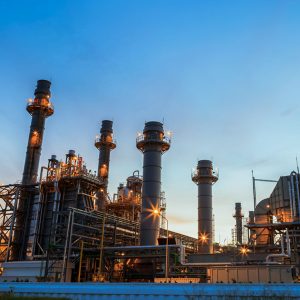
On-site fuel delivery is essential for manufacturing plants and industrial facilities because it provides a reliable, high-volume energy supply that prevents production shutdowns and reduces the high operational costs associated with traditional refueling.
The primary reasons for its importance in these sectors include:
- Ensuring Continuous Production
Manufacturing and industrial processes often rely on a “just-in-time” model where any interruption can cause a costly domino effect.- Avoiding Shutdowns: Critical machinery, such as backup generators for data centers or power-intensive fabrication equipment, must have a constant fuel supply to prevent catastrophic data loss or equipment damage during power outages.
- Eliminating Production Halts: Traditionally, refueling meant pausing a production line to move a vehicle or piece of equipment. On-site delivery ensures fuel is available exactly when needed, keeping the line running seamlessly.
- Streamlined Logistics for Heavy Equipment
Industrial facilities often use specialized machinery that is difficult or impossible to move to a standard gas station.- Direct-to-Machine Refueling: Mobile fueling trucks can navigate tight industrial yards to deliver fuel directly into stationary equipment, such as cranes, forklifts, and large-scale industrial pumps, eliminating the need for complex logistics.
- Off-Road Diesel Management: Many industrial machines run on red dye diesel (off-road fuel), which is tax-exempt. On-site delivery ensures the correct fuel type is used for the correct equipment, ensuring tax compliance and lowering overall fuel costs.
- Precision Inventory and Cost Management
Fuel is one of the largest overhead expenses for industrial facilities, and on-site delivery provides the data needed to manage it effectively.- Smart Tank Monitoring: Modern delivery services often include tank telemetry systems that alert the supplier when levels are low, allowing for automatic refills and preventing “run-outs” without the need for manual checks.
- Wholesale Bulk Pricing: By purchasing fuel in large quantities (e.g., 500 to 10,000 gallons) rather than at retail pumps, industrial plants can negotiate lower prices per gallon and lock in fixed rates to hedge against market volatility.
- Safety and Regulatory Compliance
Storing and handling large amounts of fuel carries significant environmental and safety risks that professional delivery services help mitigate.- Reduced Liability: Professional providers adhere to strict DOT, EPA, and OSHA regulations. They handle the risks of transport and dispensing, which reduces the facility’s liability for spills or accidents.
- Higher Fuel Quality: Industrial engines are sensitive to contaminants. Professional delivery ensures that the fuel is fresh and filtered, which prevents engine wear and extends the life of expensive plant machinery.
- Environmental Protection: On-site tanks are often equipped with double-wall protection and leak detection, helping plants meet green initiatives and sustainability goals.